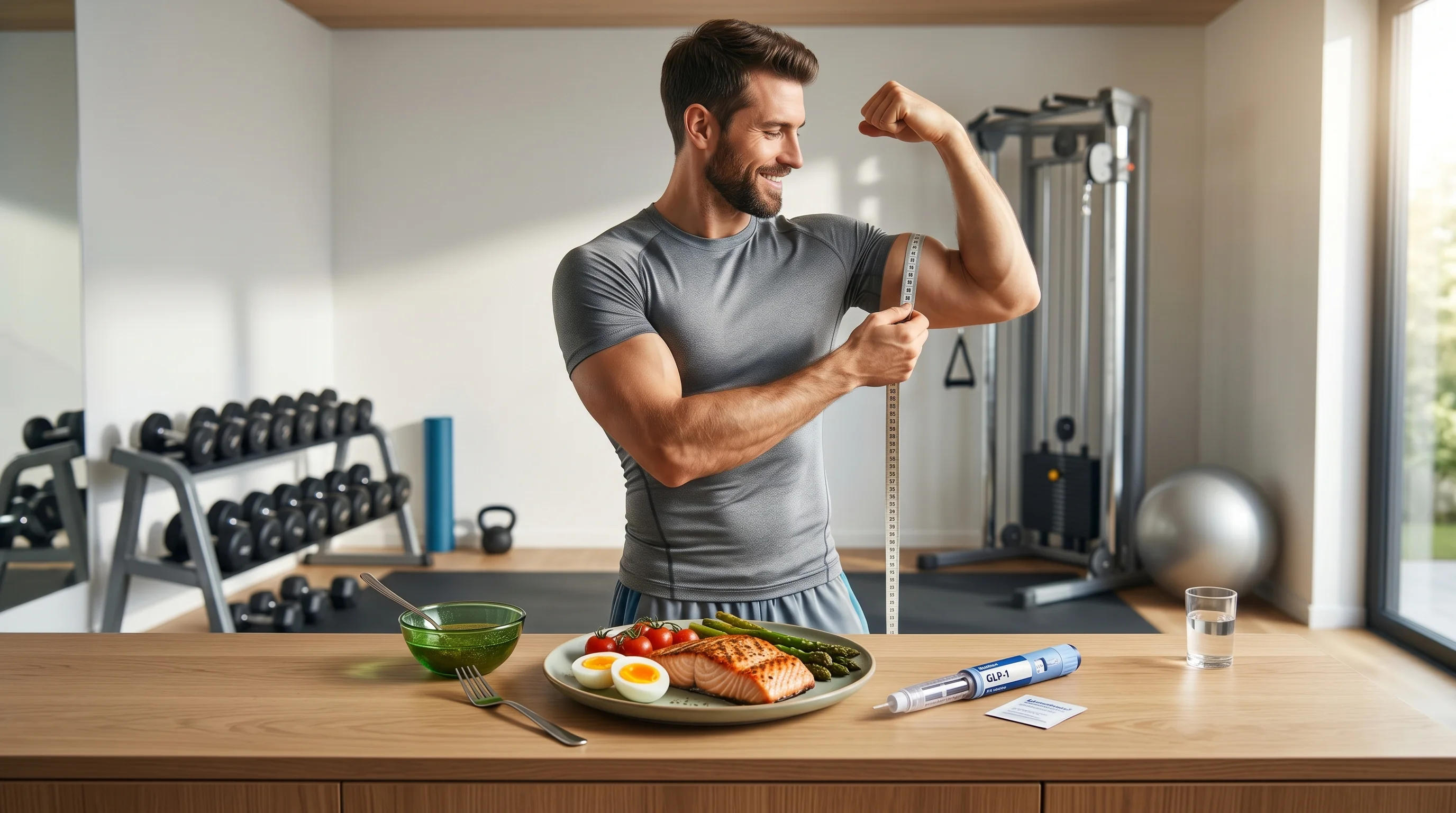
If you are on a GLP-1 medication like Ozempic or Zepbound, the scale is probably dropping fast. That is a good thing. But there is a real problem hiding behind those numbers.
A big chunk of that weight might not be fat. It could be your muscle.
Why Muscle Loss Is a Bigger Deal Than You Think
GLP-1 medications work. 1 They help people lose weight and improve heart and metabolic health. But your body does not carefully choose what to burn when the weight comes off.
Studies show that 26% to 40% of the weight lost on GLP-1 medications comes from lean tissue, not fat. 2 That means for every 10 pounds you lose, up to 4 of those pounds could be muscle. Some research puts that number even higher, with estimates that 30 to 40% of total weight loss may come from fat-free mass. 5 For older adults especially, that is a serious concern.
Muscle is not just about looking toned. It is what keeps your metabolism running. Lose enough of it and keeping the weight off gets a lot harder.
The Part Most People Skip: Protein
Here is where things get fixable.
Weight loss of any kind tends to cost you some muscle. GLP-1 is no different. But the research is clear that combining high-protein eating with resistance training can protect lean mass during treatment. 3 Protein is the raw material your body needs to hold onto muscle while fat comes off.
The catch? GLP-1 kills your appetite. You might go hours without feeling hungry. A small snack might feel like a full meal. Getting enough protein under those conditions takes real effort.
That effort is worth it. Think of protein less like a food preference and more like part of your treatment plan. 5 Your medication handles the appetite. Your protein handles the muscle.
How Much Protein You Actually Need
The honest answer is: more than you think, and more than most people get while on appetite suppressants.
A general rule for people in active weight loss is to aim for a meaningful amount of protein at every single meal, not just dinner. Start your day with protein. If you can only eat a little, make protein the priority over everything else.
Our full guide on Protein Goals & Priorities: Protecting Muscle on GLP-1s breaks down specific targets and the best foods to hit them, even when you are not hungry.
You Also Need to Lift
Protein alone will not save your muscle. You have to give your body a reason to keep it.
Resistance training three to five days per week, combined with enough protein, has been shown to preserve and even increase lean tissue during GLP-1 treatment. 2 That does not mean you need to become a gym person overnight. Three full-body sessions a week is enough to start. Squats, rows, pushups. Compound movements that work multiple muscle groups at once.
Clinical research backs this up. Skeletal muscle loss is a documented risk with GLP-1 medications, and it has real consequences for metabolic health long-term. 4 The good news is that you can prevent most of it with the right habits.
When Side Effects Get in the Way
Nausea and fatigue are real. Some days the last thing you want to do is eat a high-protein meal or drag yourself to the gym.
On those days, do not try to be a hero. Adjust. If nausea is bad, skip the heavy lifts and go for a walk. If eating is hard, prioritize protein shakes or Greek yogurt over nothing. Consistency over time beats perfect effort on good days.
If side effects are seriously disrupting your eating or training, read our guide on GLP-1 Side Effect Management: A Coach's Guide to Feeling Better. Small changes in timing, what you eat first, or how you dose can free up a lot of energy.
What Happens When You Get This Right
The goal is not just to be lighter. It is to be stronger at your goal weight than you were before.
People who combine GLP-1 medication with resistance training and high-protein eating report better energy, better body composition, and a metabolism that actually cooperates with maintenance. 3 The scale number matters less than what that number is made of.
Muscle burns calories at rest. Fat does not. Every pound of muscle you keep is doing work for you around the clock.
Start Tracking What Actually Matters
If you are relying on the scale alone, you are missing most of the picture.
GLP-1 Assist is a private tracking app built by a personal trainer who has been on this exact medication. It helps you log your doses, track your nutrition, and stay consistent without feeling overwhelmed. No ads. No data selling. No judgment.
Try it free for 7 days, no credit card required.
Start your free 7-day trial at GLP-1 Assist
About the Author Paul Brown is a Certified Personal Trainer and the creator of GLP-1 Assist. After starting his own GLP-1 journey, Paul quickly realized that standard fitness advice doesn't apply when you are battling zero appetite and medication side effects. He built GLP-1 Assist as a private, secure way for users to track their doses, manage symptoms, and prioritize nutrition without their health data being sold.
Disclaimer: Paul is a fitness professional, not a doctor. The content on this blog is based on lived experience and fitness expertise, and is not intended as medical advice. Always consult your physician regarding your medication.

