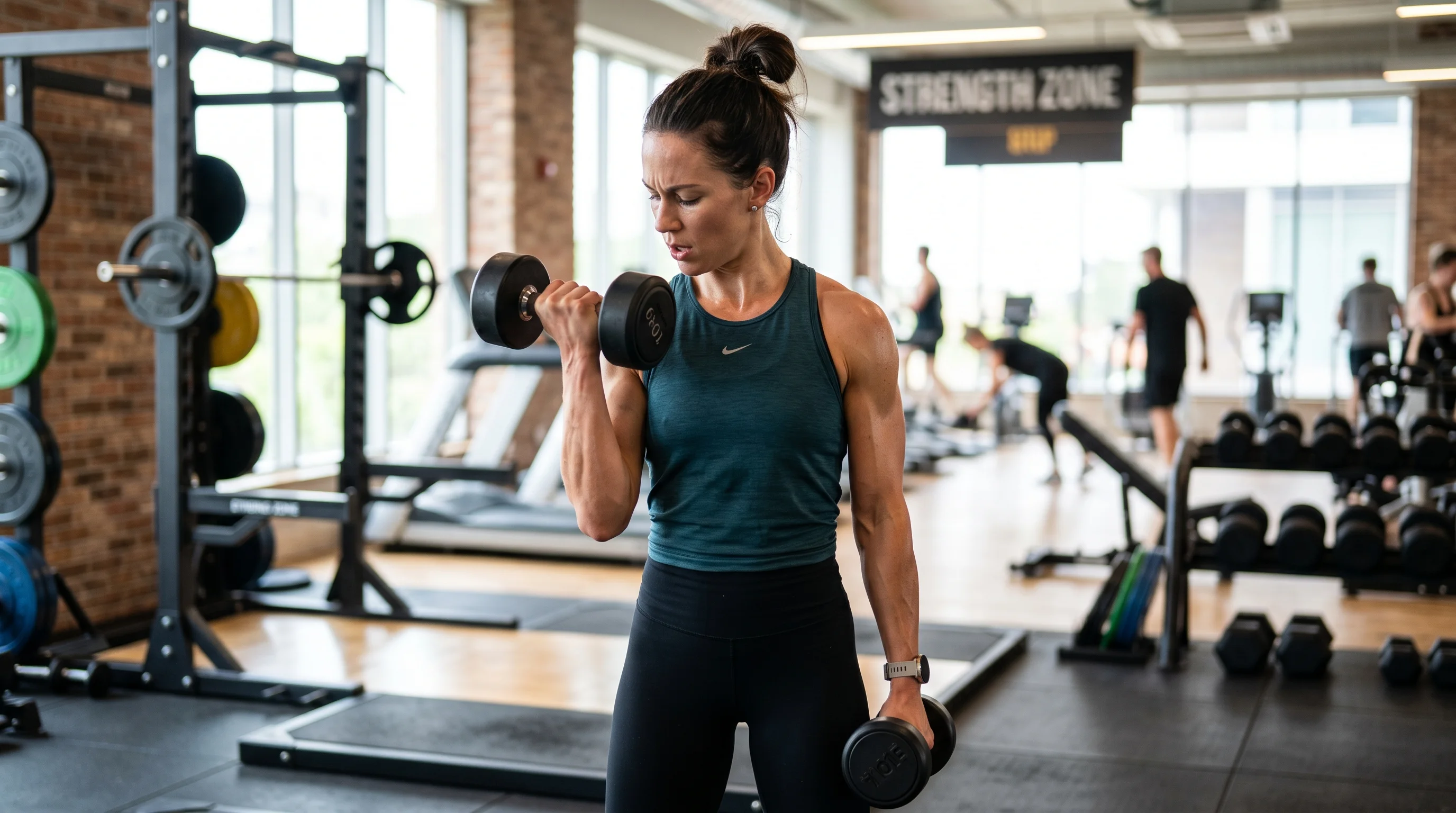
If you're losing weight on a GLP-1 medication, a significant portion of that weight might not be fat. It could be muscle. That changes how you need to approach the rest of your treatment, starting now.
What's Actually Happening to Your Body
GLP-1 receptor agonists work. 1 The weight loss is real, and so are the metabolic and heart health benefits. But your body doesn't sort cleanly between fat and muscle when it starts burning through reserves fast.
Recent trials found that lean soft tissue made up 26% to 40% of total weight loss on GLP-1 medications. 2 So if you lose 10 pounds, up to 4 of those pounds could be muscle. An estimated 30 to 40% of total weight lost on these medications may come from fat-free mass, which raises real concerns about ending up lighter but still soft and metabolically weaker. 5
That's what the research calls sarcopenic obesity. A lower number on the scale, but a higher body fat percentage and a slower metabolism than you started with.
Muscle is what burns calories at rest. Lose too much of it, and keeping the weight off gets a lot harder down the road.
Start Lifting. Seriously.
Resistance training is how you stop the muscle drain. Studies show that 3 to 5 days per week, combined with enough protein, can preserve or even increase lean tissue during GLP-1 treatment. 2
If you're new to lifting, three full-body sessions a week is enough to start. Stick to compound movements: squats, pushups, rows, hip thrusts, lunges. These use multiple muscle groups at once, so you get more out of less time. They also directly target the areas where people report the most visible muscle loss, like the glutes and legs.
I tell my clients to treat workouts the same way they treat their medication. You wouldn't skip a dose. Don't skip the training either.
A lot of people in the GLP-1 community ask about "Ozempic face" or losing volume in their glutes. Those fears are valid. Loading those muscles with weight is what fixes it. Members of our community who added consistent resistance training saw real changes in how their body looked and felt, even when the scale barely moved.
When the Scale Stops Moving
Once you start lifting, the scale might stall or slow down. That's your body swapping fat for muscle, and muscle is denser. It's progress, just not the kind the scale shows.
This is exactly why tracking strength metrics and body measurements matters as much as tracking weight. If your squat is going up and your waist is going down, you're winning. Our guide on what to track on your GLP-1 journey breaks down which numbers actually tell you whether you're moving in the right direction.
Training Through Nausea and Fatigue
Nausea and fatigue are common, and on bad days the gym feels like a terrible idea.
When I first started on Zepbound, there were days I barely wanted to get off the couch. What actually helped was moving anyway, just at a much lower intensity. A walk. Some light stretching. Gentle movement settled my stomach more than lying still did.
If side effects are blocking you from training consistently, the answer isn't to push through and feel worse. It's to adjust. Drop the intensity, not the habit. If you need specific strategies for managing nausea without derailing your routine, our guide on GLP-1 side effect management covers exactly that.
Feeling Weaker While Losing Weight
Losing weight and feeling weaker is a disorienting experience. A client of mine, a 45-year-old woman on semaglutide, lost 30 pounds and described feeling frail. She looked lighter, but she felt fragile. That scared her.
After three days a week of resistance training, her energy stabilized and her body composition improved. The number on the scale mattered a lot less once she felt strong again.
A lot of people describe looking "skinny fat" after significant GLP-1 weight loss. They expected to look toned and athletic. Instead, they just look smaller and softer. That experience pushes most people toward resistance training eventually. Better to start before it becomes a problem.
For older adults especially, this is urgent. Preserving muscle now protects your independence later. Walking is great. It's not enough on its own.
Protein Is Part of the Treatment Plan
You can't build or keep muscle without protein, and that's harder to get right when your appetite is basically gone.
Every weight loss approach causes some loss of lean body mass, not just GLP-1. But combining GLP-1 therapy with both resistance training and a high-protein diet has shown real benefit in protecting muscle and bone. 3 Guidelines back this up: prioritize high-quality protein alongside resistance training to hold on to lean mass. 5
Measurements confirm that a significant portion of weight loss on GLP-1 receptor agonists comes from fat-free mass, including skeletal muscle, which makes protein intake even more important. 4
View protein as part of your treatment, not just a meal. It earns the same priority as your medication. Start every meal with it. If you can only eat a little, make sure that little is protein.
For practical help hitting your targets when you're barely hungry, our guide on protein goals and priorities on GLP-1s gives you the specific strategies and food choices that actually work.
Track It All in One Place
GLP-1 Assist is a private, secure app built specifically for people on GLP-1 medications. It was designed by a certified personal trainer who's been on this journey too. You can track your doses, meals, symptoms, and strength progress without your health data being sold or shared.
If you're serious about protecting your muscle while you lose the weight, having a system matters. Start your 7-day free trial today. No credit card required.
Related Reading
- Protein Goals & Priorities: Protecting Muscle on GLP-1s
- GLP-1 Side Effect Management: A Coach’s Guide to Feeling Better
- What to Track on Your GLP-1 Journey
About the Author Paul Brown is a Certified Personal Trainer and the creator of GLP-1 Assist. After starting his own GLP-1 journey, Paul quickly realized that standard fitness advice doesn't apply when you are battling zero appetite and medication side effects. He built GLP-1 Assist as a private, secure way for users to track their doses, manage symptoms, and prioritize nutrition without their health data being sold.
Disclaimer: Paul is a fitness professional, not a doctor. The content on this blog is based on lived experience and fitness expertise, and is not intended as medical advice. Always consult your physician regarding your medication.